My Dietary Philosophy: Prioritizing High-Fat Meat for Optimal Health
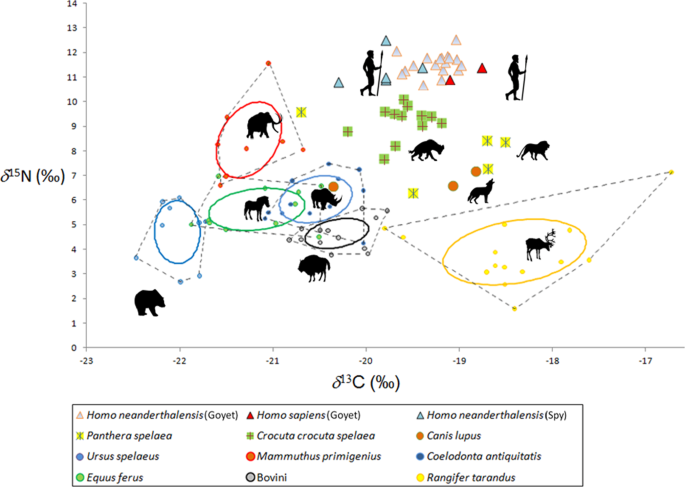
My core dietary principle is consuming 80% high-fat meat as the foundation of an optimal human diet. Anthropological data supports this as our evolutionary baseline, with hunter-gatherers prioritizing nutrient-dense animal foods.
If you choose to include raw dairy or fruits, it's not a huge deal, you will still be healthy. However, some individuals—particularly those with autoimmune or inflammatory conditions (like acne)—may need to stick strictly to meat, eggs, and butter, or even just high-fat meat, to fully resolve their health issues. That said, for many, simply cutting out processed foods and plant toxins is enough to restore metabolic health.
The Slippery Slope of Raw Dairy & Fruit
One common issue with raw dairy or fruit is that, over time, they can shift from being occasional supplements to diet staples due to their addictive nature (sugar in fruit, lactose and casomorphins in milk)—leading to increased sugar intake, insulin spikes, and a less animal-based approach.
A clear example of this is Paul Saladino, who initially followed a carnivore diet but gradually transitioned into an "animal-based" diet with fruit and honey. Now, a significant portion of his meals are plant-based, with some breakfasts approaching 150g of sugar—a far stretch from the animal-dominant diet he once advocated.

A truly animal-based meal, like 1 lb of ground beef with an avocado, is nutrient-dense and delivers everything your body needs. On the other hand, a breakfast of fruit juices, a mango, an avocado, and a small portion of eggs is much higher in sugar, lower in protein and healthy fats, and far from optimal.
Raw Milk & Height Development
For growing individuals, raw milk likely supports height and bone development due to:
IGF-1 content (growth-promoting)
Bioavailable calcium & K2 (bone mineralization)
High-quality protein (muscle & skeletal growth)
Saturated fat (hormone production)
Omega-3 & CLA (anti-inflammatory benefits)
On top of these sound biochemical reasons, we have strong associative evidence suggesting that raw milk positively influences height development:
Countries from tallest to shortest mapped alongside the highest raw milk consumption:
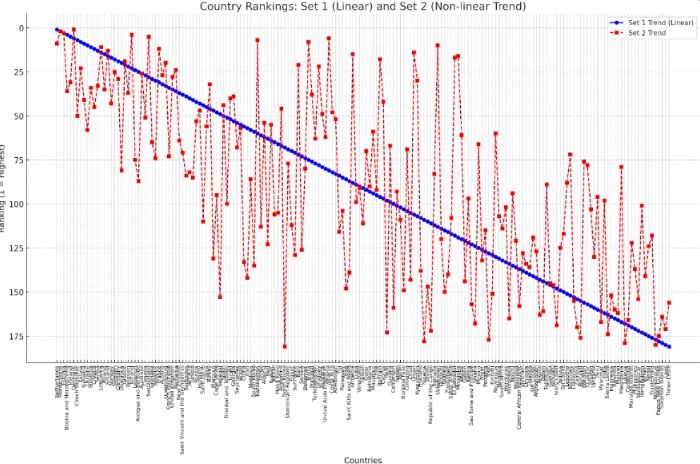
17 out of the top 20 tallest countries also rank in the top 20 for raw milk consumption:

Milk is designed to rapidly grow a calf into a 2,000-pound animal, making it an undeniable growth serum. I see only a benefit to consuming raw milk during development. However, after growth plates close, this same anabolic effect is less beneficial and can contribute more to aging and metabolic stress than additional growth.
Growth vs. Aging: Finding the Balance
Growth and aging are closely linked. Staying in a chronically anabolic state—constantly spiking insulin with sugar and elevating growth hormone—can accelerate aging rather than slow it.
While mTOR, IGF-1, and insulin are essential for muscle development and tissue repair, excessive activation can:
Suppress autophagy (reduced cellular cleanup)
Increase oxidative stress (cellular damage & aging)
Promote insulin resistance (metabolic dysfunction)
A balance between growth and repair is key. Short bursts of anabolic stimulation (like weight training and protein intake) are beneficial, but constantly forcing the body into growth mode leads to faster cellular wear and metabolic decline.
For example, consuming raw milk daily as an adult—post-development—will likely contribute to accelerated aging, as it keeps IGF-1 and insulin chronically elevated.
The Optimal Approach: Balancing Muscle Growth & Longevity
To achieve the best balance of muscle growth and longevity, I recommend:
High-intensity resistance training stimulates mTOR in a controlled way.
Eating a high-protein, animal-based meal post-workout to fuel muscle growth.
Fasting until the next day allows for autophagy and cellular repair. (Again, this should come naturally on a ketogenic carnivorous diet, as eating a high protein and high fat meal is extremely satiating.)
This approach cycles growth and repair, optimizing muscle retention, metabolic health, and longevity—without excessive anabolic stimulation that accelerates aging.
Approaching the gym
You do not need carbs for the gym; high protein and high fat meals will stimulate Mtor, and excess protein can be converted to glucose via gluconeogenesis (without an insulin spike but with a modest raise.)
Remember, there is a transition period when switching from sugar to fat as your energy source; expect some sluggishness for the first two weeks.
However, once fat-adapted, you can see great performance and gains in the gym with fat as your energy source. Here are some quick tips for lifting on a ketogenic diet:
Prioritize Protein: Eat from animal-based sources (beef, chicken, fish, eggs) for muscle retention and growth.
Focus on Healthy Fats: Ensure 70-80% of total "calories" come from animal fats (e.g., fatty cuts of meat, tallow, butter) and organ meats like liver for essential nutrients.
Limit Carbs to Stay in Ketosis: Keep net carbs under 5g per day (from trace carbs in organ meats, eggs, and possibly small amounts of dairy) to maintain ketosis.
Stay Hydrated: Drink plenty of water, and supplement with electrolytes (sodium, potassium, magnesium) to prevent dehydration and muscle cramps, especially if you're exercising intensely.
Optimize Training Intensity: Focus on strength training (low volume, high intensity) and HIIT to maintain muscle while avoiding excessive cardio, which can deplete energy stores on a carnivore diet.
Post-Workout Nutrition: Consume a high-protein, high-fat meal immediately after training (e.g., steak with butter or eggs with beef tallow), and avoid carbs unless you're doing high-intensity glycolytic exercises.
Consider Intermittent Fasting: Use 12-16 hour fasting windows for better fat burning and enhanced muscle repair, allowing your body to utilize fat for fuel while preserving muscle. (Again, this should come naturally as fatty meat is very satiating)
Get Adequate Sleep: Aim for 7-9 hours of quality sleep each night for optimal recovery, muscle repair, and overall health.
Adjust Based on Feedback: Listen to your body—if you're feeling fatigued or not recovering well, consider adjusting fat intake or the timing of your meals around workouts.